店铺
店铺
 EN
EN CN
CN VI
VI IT
IT ES
ES TH
TH JA
JA PT
PT MS
MS KO
KO FR
FR DE
DE ID
IDIn miniature drive systems, achieving high rotational speed within a limited installation space is only part of the engineering challenge. The motor must also deliver sufficient torque under load, respond consistently to changes in operating conditions, and work within the electrical and mechanical limits of the complete device. These requirements become particularly important in compact equipment, where even small changes in friction, load inertia, or power consumption can affect overall performance.
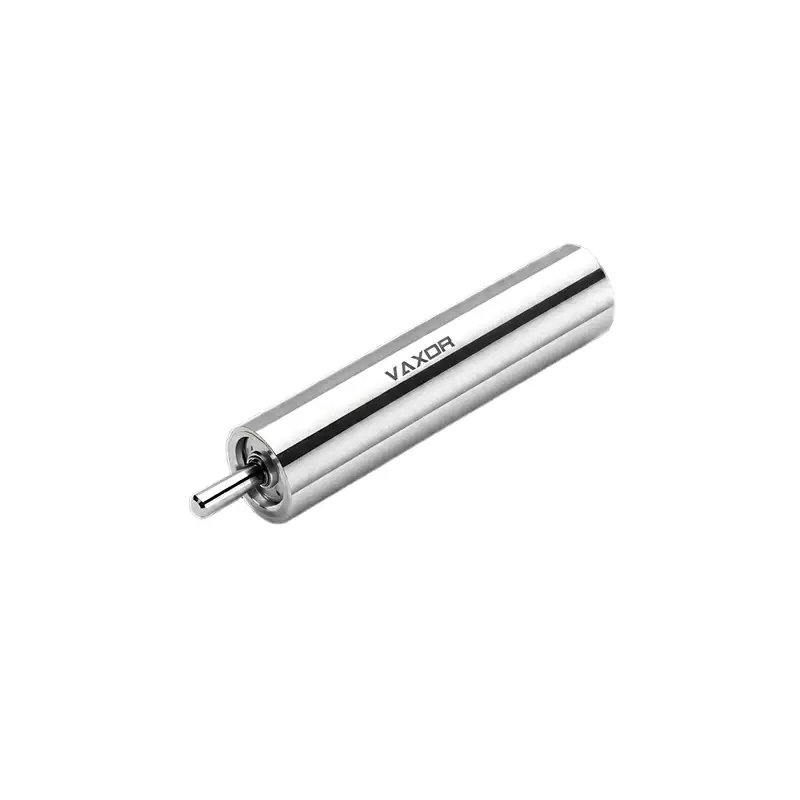
The φ6mm Ultra-micro Brushless Coreless Motor is designed for applications that require high-speed rotation in a compact footprint. Model G06P-VW00-QZ-1 operates at a rated voltage of 12 V, with a no-load speed of 63,000 rpm and a nominal speed of 45,000 rpm. Its nominal torque is 0.49 mNm, while its listed stall torque is 0.98 mNm. These specifications provide a starting point for evaluating the motor's suitability for miniature mechanisms, precision instruments, and other space-constrained drive applications.
What Does 63,000 RPM Mean for a Miniature Motor?
A rotational speed of 63,000 rpm represents a demanding operating capability for a motor with a diameter of just 6 mm. At this scale, the motor can be considered for mechanisms that require rapid rotation while keeping the drive assembly compact.
However, the meaning of a speed specification depends on the conditions under which it is measured. No-load speed describes the motor's rotational speed when it operates without an external mechanical load. It does not indicate the speed that the motor will maintain after being connected to a gear train, pump, rotating element, or other driven component.
For the G06P-VW00-QZ-1, the listed no-load speed is 63,000 rpm, while the nominal speed is 45,000 rpm. The difference is important during system design because the motor must supply torque to overcome the load and the losses associated with the drive mechanism.
Engineers should therefore avoid selecting a motor based solely on its maximum or no-load speed. Instead, they should determine the operating speed required by the application and assess whether the motor can maintain that speed under the expected load.
For example, a miniature rotating mechanism may require rapid acceleration but operate at a lower speed once it reaches its working condition. Another device may need to maintain a relatively stable rotational speed while its mechanical resistance changes. These two applications may require different control strategies even if their target speeds are similar.
Understanding the Relationship Between Speed and Torque
Speed and torque are closely related when selecting a motor for a real application. A motor may rotate very quickly without a load, but the speed generally decreases when mechanical resistance increases. The actual relationship depends on the motor's performance characteristics, electrical supply, controller, and operating conditions.
The φ6mm Ultra-micro Brushless Coreless Motor has a nominal torque of 0.49 mNm and a listed stall torque of 0.98 mNm. Nominal torque is relevant when evaluating the specified operating condition, while stall torque describes the torque associated with a stationary rotor under the applicable test conditions.
These values should not be treated as interchangeable. Stall conditions can produce substantial current and heat, so stall torque is not a suitable target for continuous operation unless the manufacturer explicitly specifies otherwise.
When matching the motor to a miniature drive load, engineers should first estimate the torque required by the driven mechanism. This estimate should account for friction, acceleration, transmission losses, and changes in mechanical resistance during operation.
It is also important to consider startup requirements. Some mechanisms need a higher initial torque to overcome static friction or accelerate a rotating load. Others have relatively low startup resistance but require stable operation over a wide speed range.
A suitable motor selection should therefore be based on the application's complete speed and torque requirements, rather than on one specification in isolation.
Matching Motor Speed to Load Inertia
Load inertia is an important consideration in high-speed miniature drive systems. It describes how strongly a rotating object resists changes in rotational speed. A motor connected to a lightweight rotor may accelerate differently from the same motor connected to a heavier component, even when both systems have similar steady-state torque requirements.
This difference becomes especially relevant when an application requires frequent starts, stops, or speed changes. The motor must produce enough torque to accelerate the load within the required time while remaining within its operating limits.
For a high-speed motor, engineers should evaluate several factors:
The inertia of the driven component and any connected transmission parts.
The required acceleration and deceleration time.
The frequency of repeated starts and stops.
The mechanical friction present during startup and steady operation.
The allowable current, temperature, and vibration levels.
G06P-VW00-QZ-1 电机的 63,000 rpm 空载转速可能适合转速要求较高的应用,但最终工作点应根据实际机械负载进行验证。
原型测试在这个阶段特别有用。工程师可以记录代表性条件下的加速时间、稳态速度、电流消耗和温度。这些测量有助于确定所选电机是否能够满足应用要求,而不会产生过大的电气或机械应力。
12V 无刷电机的电气选择
电气系统对电机性能起着直接作用。电压、电流容量、控制器兼容性和电源质量都会影响启动行为和旋转稳定性。
G06P-VW00-QZ-1 型号指定用于 12 V 操作。在选择合适的驱动器时,工程师应确认控制器支持电机的电气特性和所需的速度范围。驱动器还必须能够处理预期的工作电流以及与启动或加速相关的任何瞬态需求。
电机的扭矩常数为 1.05 mNm/A。该参数描述了在相关运行假设下电机电流与产生的扭矩之间的关系。它可以帮助工程师估计与所需扭矩相关的电流,但实际性能还取决于损耗和电机的运行条件。
实际的电气评估应包括以下检查:
确认额定电压和允许的供电条件。
验证驱动器与无刷电机换向要求的兼容性。
检查启动和加速期间的电流限制。
评估速度控制和对变化的负载的响应。
测量代表性工作点的电流消耗。
确认接线和连接器适合预期的电力负载。
不应仅因为控制器支持标称 12 V 电源而选择该控制器。其控制方法、电流能力和运行速度范围也必须与电机和应用相匹配。
为什么紧凑尺寸对于微型驱动系统很重要
6 毫米的电机直径为集成到空间有限的设备中创造了机会。然而,减小电机尺寸也更加注重机械布局、负载匹配、热管理和装配精度。
φ6mm超微型无刷空心杯电机重3.75克,使其质量成为设计轻型驱动组件时的重要考虑因素。在紧凑型机构中,电机的尺寸和重量会影响支撑结构、轴承、传动部件和电气连接的布置。
潜在应用包括微型旋转机构、精密仪器、紧凑型自动化设备以及其他需要高转速小型电机的系统。适用性取决于具体负载、工作周期、可用空间和所需的使用寿命。
设计人员还应评估电机的安装布置和驱动部件的对齐情况。对准不良或机械摩擦过多会增加电机的负载,降低可达到的速度,并引入不必要的振动。
因此,紧凑型电机应作为完整驱动组件的一部分进行评估。目标不仅仅是将小型电机安装到可用空间中,而是确保电机、变速箱、轴承、控制器和驱动负载按预期一起工作。
高速运行期间的热量管理
高转速会带来额外的热挑战,特别是当微型电机在负载下运行或执行重复加速循环时。电气损耗和机械损耗会导致热量产生,而小型电机有限的表面积会限制散热。
实际温升取决于工作电流、负载扭矩、环境温度、占空比、安装结构和可用气流等因素。在短台测试期间表现良好的电机在紧凑外壳内的长时间运行期间可能表现不同。
工程师应在批准设计之前评估预期的工作周期。连续旋转、间歇运行、频繁加速和重复失速事件对电机和控制器提出了不同的要求。
有用的验证测量包括可测量的绕组或外壳温度、电流消耗、运行速度以及性能随时间的变化。测试应使用预期的电源、控制器、安装布置和代表性机械负载。
失速情况值得特别注意。由于静止转子无法执行预期的旋转功,因此长时间失速运行可能会产生过多的热量和电应力。合适的电流限制和故障处理策略有助于保护驱动系统。
这些检查对于为成品设备建立适当的操作限制是必要的。额定速度和空载速度值本身并不能定义电机允许的连续运行时间。
测试实际操作条件下的驱动稳定性
电机的稳定运行不仅仅取决于达到目标转速。机械阻力、电源条件、控制器行为和装配质量的变化会影响速度一致性和响应。
结构化原型测试可以帮助在生产前识别这些问题。首先在没有外部负载的情况下测量电机的速度和电流,然后在连接有代表性的负载的情况下重复测量。接下来,评估负载变化时的启动响应、加速度和性能。
对于需要频繁调整速度的应用,工程师还应评估系统响应控制命令的速度以及是否出现不必要的振荡或速度变化。
机械检查同样重要。检查运行条件下的安装刚性、轴对中、传动摩擦和振动。如果电机集成到更大的机构中,则应对整个组件进行测试,因为在隔离电机测试中共振或机械不平衡可能不明显。
对于 φ6mm 超微型无刷空心杯电机,63,000 rpm 空载转速、45,000 rpm 标称转速和 0.49 mNm 标称扭矩的组合提供了有用的初始选择数据。实际的驱动稳定性仍必须通过预期的控制器、机械负载和操作周期来确认。
与微驱动技术合作伙伴合作
选择微型电机通常需要电气设计、机械工程和应用开发之间的协调。在这些领域拥有经验的供应商可以帮助澄清规范并支持从初始评估到原型验证和生产规划的过渡。
VAXOR成立于2024年,总部位于中国苏州。该公司为机器人、医疗器械、精密仪器和智能设备开发微型关节执行器和超微型空心杯电机。
其技术路线图结合了轴向磁通电机技术、PCB/FPCB绕组、电磁设计和微型减速机构,以满足紧凑运动系统的要求。 VAXOR还描述了一个涵盖电机设计、精密制造、结构设计、机器人控制和智能制造的多学科工程团队。
对于电机选型项目,买家应提供预期的运行速度、所需的扭矩、电源电压、可用的安装空间、占空比和预期的运行环境。如果可能,他们还应该共享驱动负载和所需加速响应的详细信息。
这些详细信息可以更轻松地评估电机公布的规格是否与应用相匹配。买家应索取相关的性能曲线、操作限制、驱动器建议以及验证设计所需的测试信息。
选择 6mm 高速电机的实用清单
在最终确定微型驱动系统的电机之前,请确认以下事项:
速度要求:区分空载速度和负载下所需的速度。
扭矩要求:估计稳态扭矩、启动扭矩和加速需求。
Electrical compatibility: Verify the 12 V supply, driver type, current capacity, and control method.
Mechanical integration: Check available space, mounting, alignment, and load inertia.
Thermal performance: Test current consumption and temperature under the intended duty cycle.
Operating stability: Evaluate speed variation, vibration, and response to load changes.
Validation data: Confirm the manufacturer's operating limits and relevant performance documentation.
A 63,000 rpm specification can make a 6 mm motor worth evaluating for high-speed miniature mechanisms, but successful selection depends on how the motor performs at the application's actual working point. By assessing speed, torque, current, heat, and mechanical integration together, engineers can make a more reliable decision before committing to a final drive design.
The φ6mm Ultra-micro Brushless Coreless Motor, model G06P-VW00-QZ-1, offers a defined set of speed, torque, voltage, and weight specifications for this evaluation. With application requirements clearly established and prototype testing completed, engineers can determine whether it meets the needs of their miniature drive system in collaboration with VAXOR.